Connect with us
News

An absence of women scientists featured in UK exam board specifications for science could be a factor in the disproportionate number of girls dropping...
22 October 2026
News
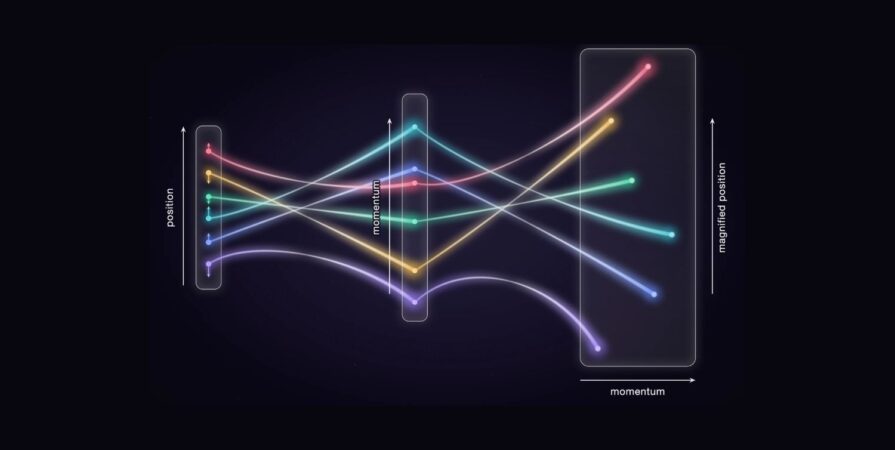
A quantum ‘phase-space’ microscope could see both where atoms are and how they move
Physicists have proposed a way for quantum gas microscopes, which photograph individual atoms in ultracold atomic gases, to capture how each atom is moving as well as where it is....
21 October 2026
News
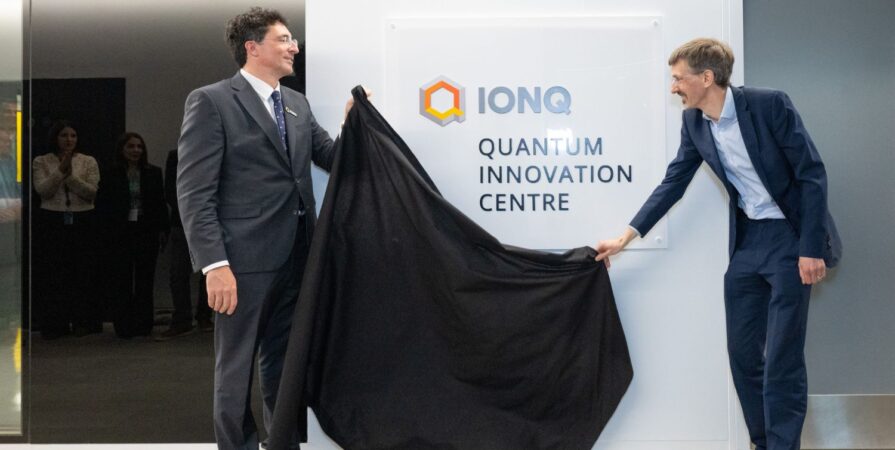
First funded research projects announced as IonQ Quantum Innovation Centre opens in Cambridge
The opening of the IonQ Quantum Innovation Centre marks the next phase of the University of Cambridge’s corporate research partnership with IonQ, and strengthens Cambridge and the UK’s position at...
15 October 2026
News
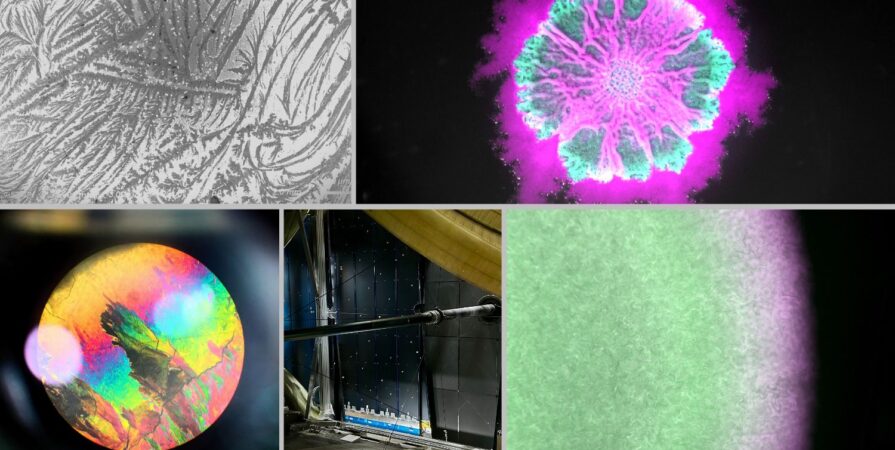
Winners announced for the Cavendish Photography Competition 2026
The 2026 Cavendish Photography Competition showcased a captivating collection of images celebrating this year’s theme, ‘Big and Small: exploring the breadth of Physics at the Cavendish’. We received an overwhelming...
15 October 2026
News
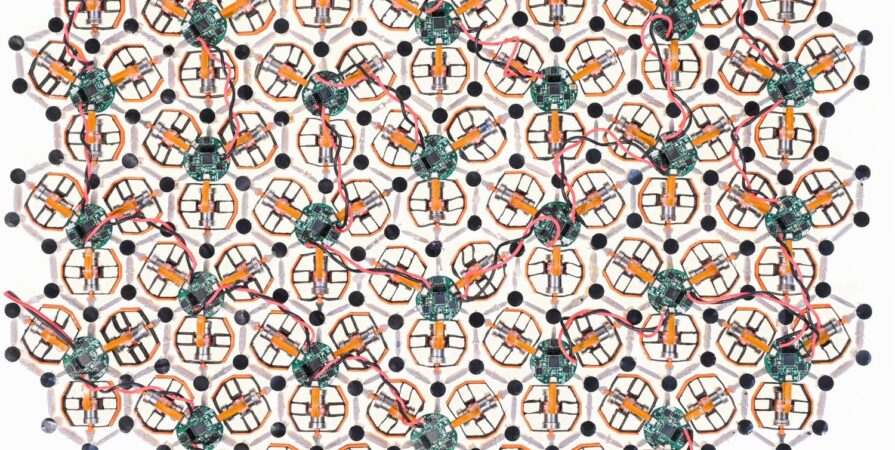
Vibrating material organises itself into a single beat
A team of physicists from several universities in the UK and the Netherlands have developed a material that can grow and coordinate its own movement until the entire structure pulses...
14 October 2026
News

Three Cavendish researchers honoured in 2026 Institute of Physics awards
Three Cavendish Laboratory researchers have been awarded prestigious 2026 Institute of Physics medals and prizes. Professor Sarah Bohndiek, Professor Russell Cowburn and Professor Akshay Rao have been recognised in this...
12 October 2026
News
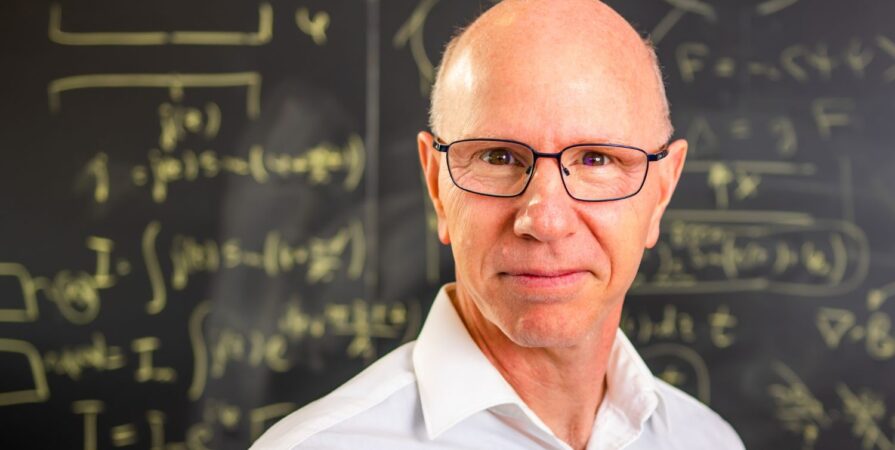
The Cavendish Laboratory is delighted to announce the appointment of Professor Amir Yacoby as the inaugural Ray Dolby Professor of Theoretical and Experimental Physics. Professor Yacoby develops new ways to...
25 September 2026
News
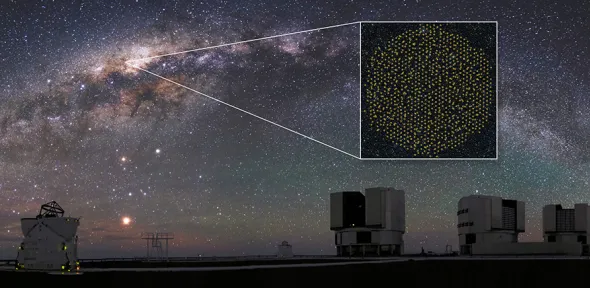
Groundbreaking instrument captures its first observations of the heart of our Galaxy, launching a mission to map millions of stars and galaxies.
3 September 2026
News
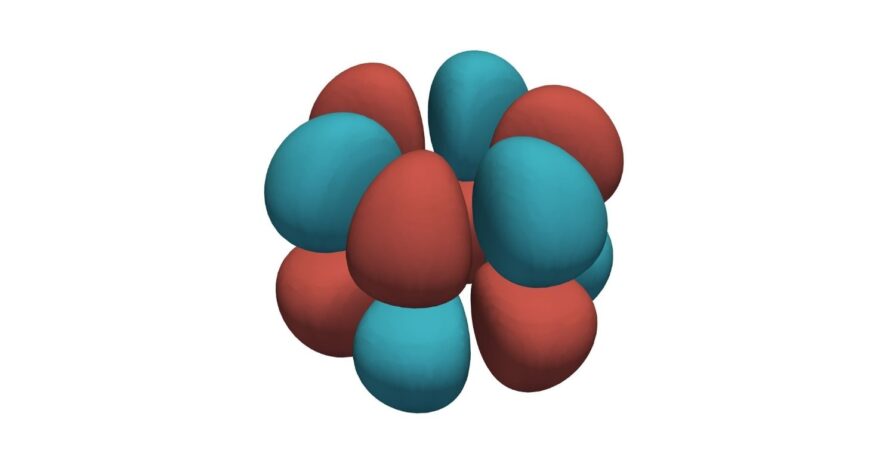
Scientists confirm a new type of magnetism deep inside a material
Researchers from the Quantum Matter group at the Cavendish Laboratory have directly measured the telltale spin-splitting of ‘altermagnetism’ deep within the bulk of a real material, chromium antimonide (CrSb), for...
26 August 2026