Connect with us
News
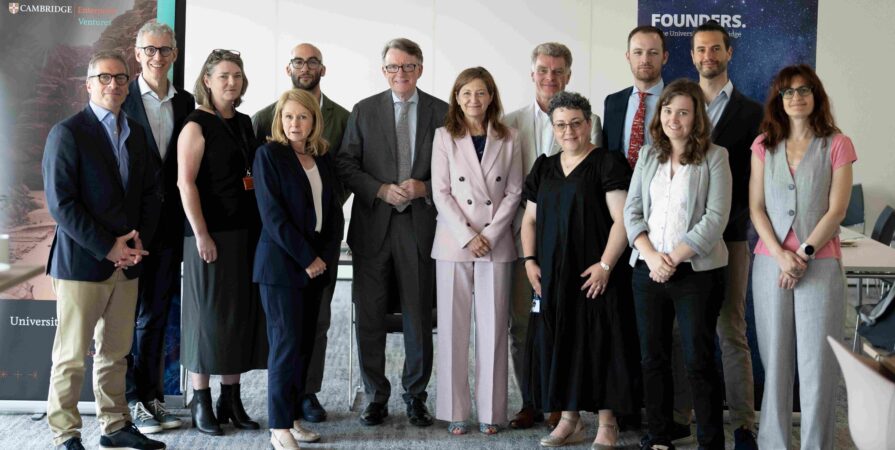
This week, UK Ambassador to the United States of America Lord Mandelson visited the University of Cambridge to explore its world-leading strengths in innovation and its deepening academic and industrial partnerships with the USA.
27 June 2025
News

Sir Francis Graham-Smith (1923 – 2025)
It is with great sadness that we learned of the recent death of Sir Francis Graham-Smith at the age of 102. Graham, as we always knew him, was the last...
24 June 2025
News
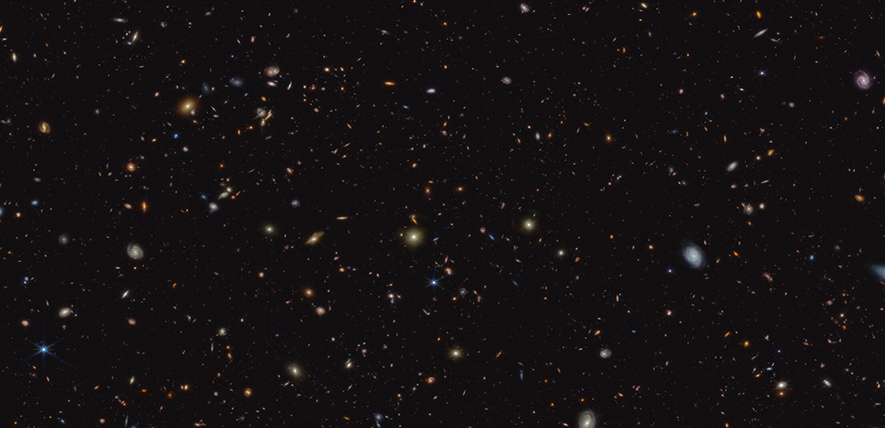
Cosmic signal from the very early universe will help astronomers detect the first stars
Understanding how the universe transitioned from darkness to light with the formation of the first stars and galaxies is a key turning point in the universe’s development, known as the Cosmic Dawn. However, even with the most powerful telescopes, we can’t directly observe these earliest stars, so determining their properties is one of the biggest challenges in astronomy.
20 June 2025
News
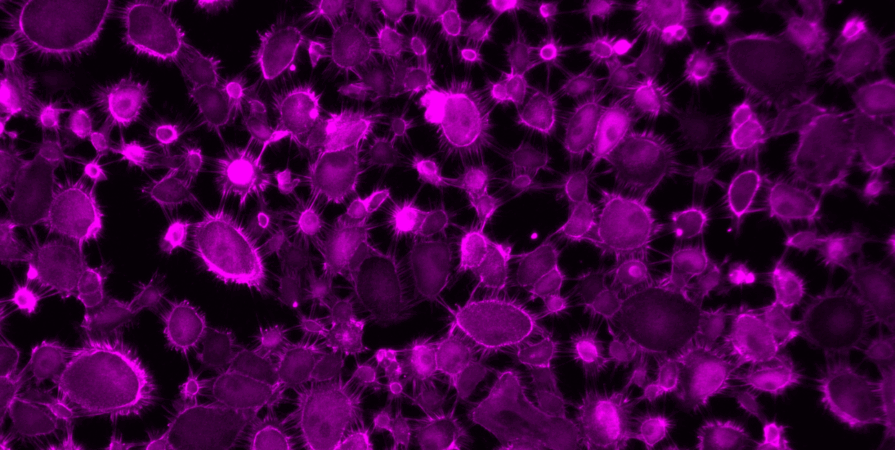
Cavendish Photography Competition 2025
In 2025, the Cavendish Laboratory has moved in its new home, the Ray Dolby Centre. As we look to the future, we invite you to imagine what the next 150...
19 June 2025
News
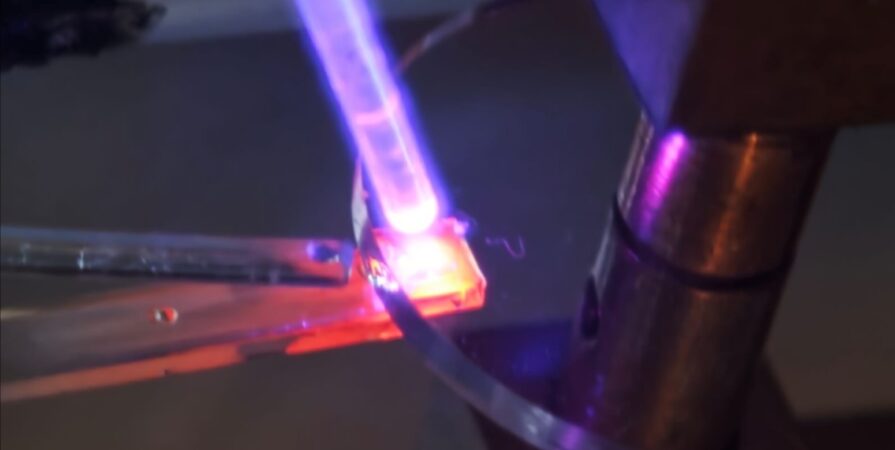
BRIGHTS future for quantum objects
Professor Sir Richard Friend is one of the leading researchers to win a European Research Council’s (ERC) award in its latest round of Advanced Grant competition. The funding, worth €2.5...
17 June 2025
News
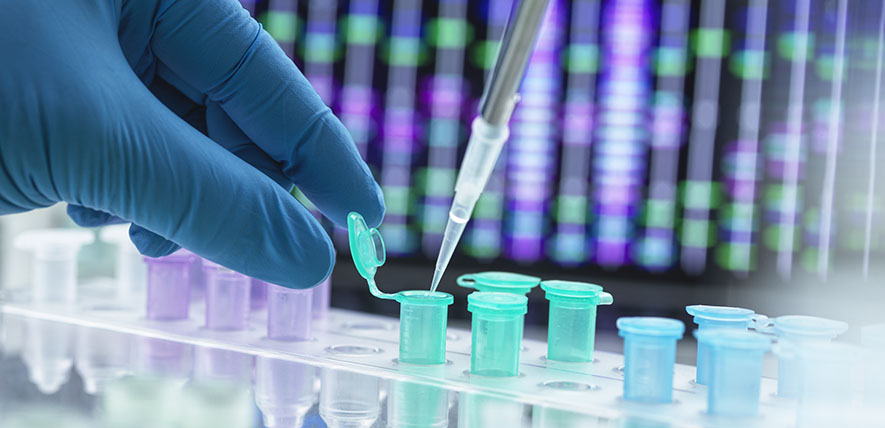
Cambridge researchers awarded Advanced Grants from the European Research Council
Eleven senior researchers at the University of Cambridge have been awarded Advanced Grants from the European Research Council – the highest number of grants awarded to any institution in this latest funding round.
17 June 2025
News

UK Scientists achieve precision activation of quantum defects in diamond
A new study led by researchers at the Universities of Cambridge, Oxford and Manchester has achieved a major advance in quantum materials, developing a method to precisely engineer single quantum...
16 June 2025
News
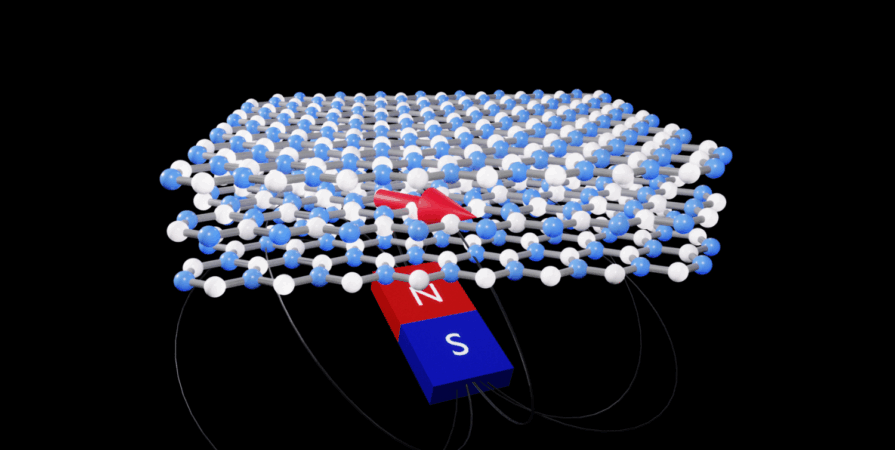
New 2D quantum sensor breakthrough offers new opportunities for magnetic field detection
Researchers demonstrate 2D material as a versatile platform for next-generation nanoscale vectorial magnetometry. A team of physicists at the University of Cambridge has unveiled a breakthrough in quantum sensing by...
28 May 2025