Connect with us
News
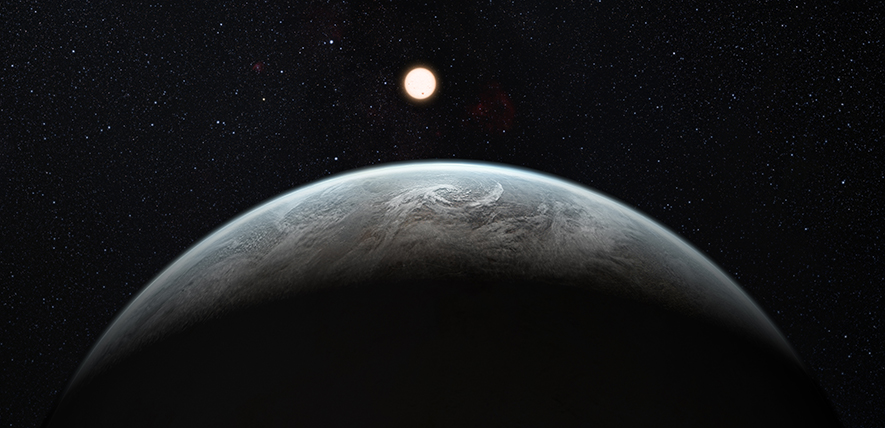
Cambridge launches new Leverhulme Centre for Life in the Universe
With a £10 million grant awarded by the Leverhulme Trust, the University of Cambridge is to establish a new research centre dedicated to exploring the nature and extent of life in the Universe.
10 January 2022
News
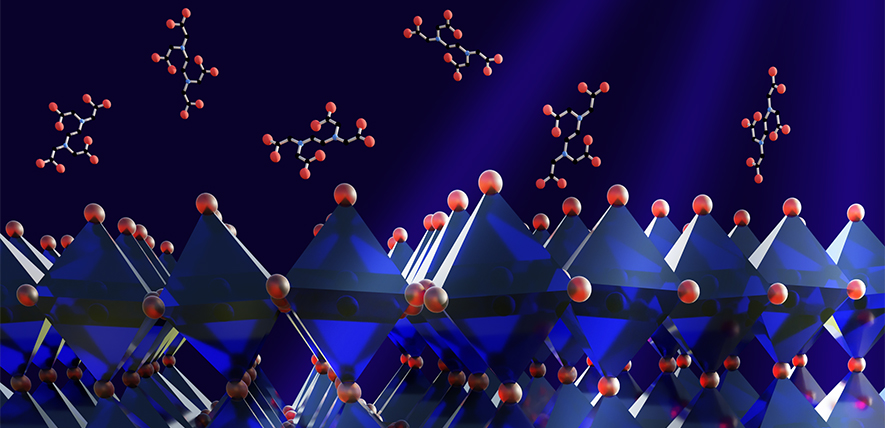
Templating approach stabilises ‘ideal’ material for alternative solar cells
Researchers have developed a method to stabilise a promising material known as perovskite for cheap solar cells, without compromising its near-perfect performance.
23 December 2021
News
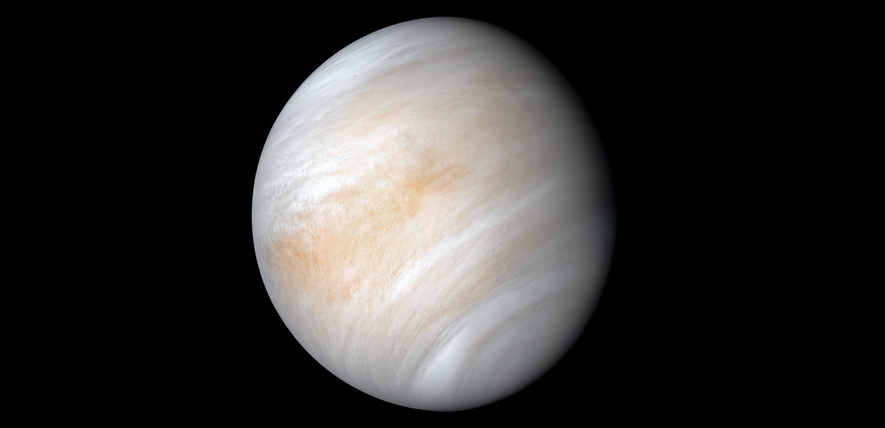
Could acid-neutralising life-forms make habitable pockets in Venus’ clouds?
A new study shows it’s theoretically possible. The hypothesis could be tested soon with proposed Venus-bound missions.
20 December 2021
News

Colour-changing magnifying glass gives clear view of infrared light
By trapping light into tiny crevices of gold, researchers have coaxed molecules to convert invisible infrared into visible light, creating new low-cost detectors for sensing.
2 December 2021
News
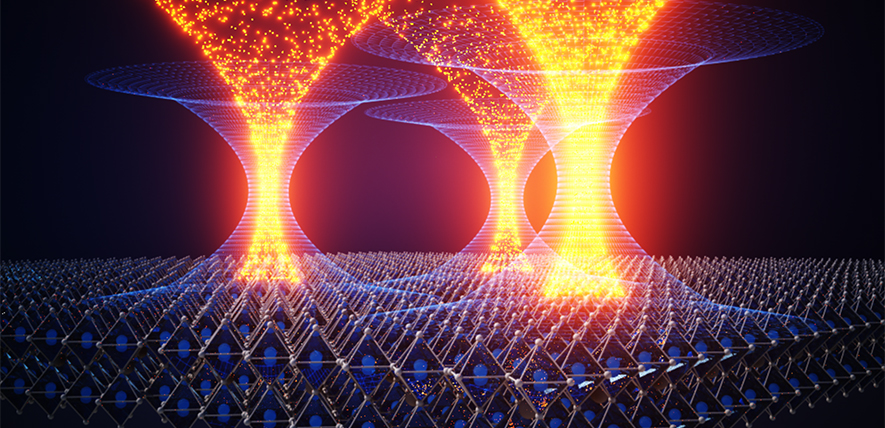
Mystery of high-performing solar cell materials revealed in stunning clarity
Researchers have visualised, for the first time, why perovskites – materials which could replace silicon in next-generation solar cells - are seemingly so tolerant of defects in their structure. The findings, led by researchers from the University of Cambridge, are published in the journal Nature Nanotechnology.
22 November 2021
News
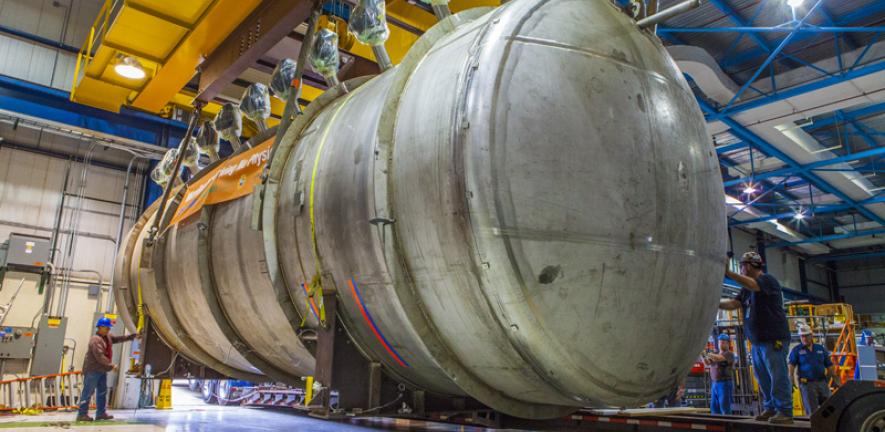
New results deal a blow to the theoretical sterile neutrino
Results from a global science experiment have cast doubt on the existence of a theoretical particle beyond the Standard Model.
29 October 2021
News
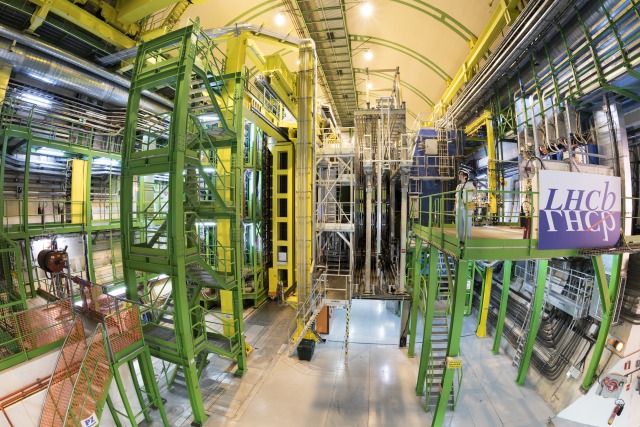
Cambridge physicists announce results that boost evidence for new fundamental physics
Results announced by the LHCb experiment at CERN have revealed further hints for phenomena that cannot be explained by our current theory of fundamental physics.
19 October 2021
News
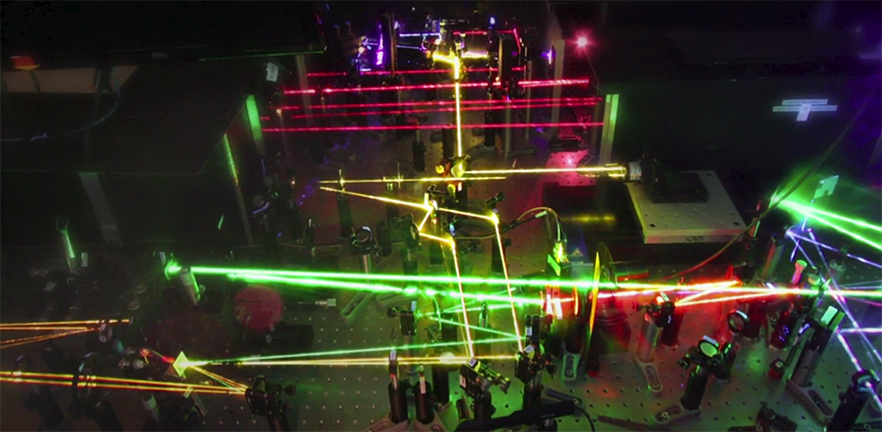
Researchers identify and clear efficiency hurdle for organic solar cells
Researchers have identified a key mechanism responsible for the lower efficiencies of organic solar cells and shown a way that this hurdle might be overcome.
29 September 2021